Built for QA engineers and developers who need more than a basic request sender.
📦
Collections & Requests
Organise requests into named collections. Reorder, rename, and group them — everything syncs to your account.
🔑
Authorization
Bearer Token support built in. Set it once and PulseAPI injects the Authorization header automatically on every send.
🌍
Global Variables
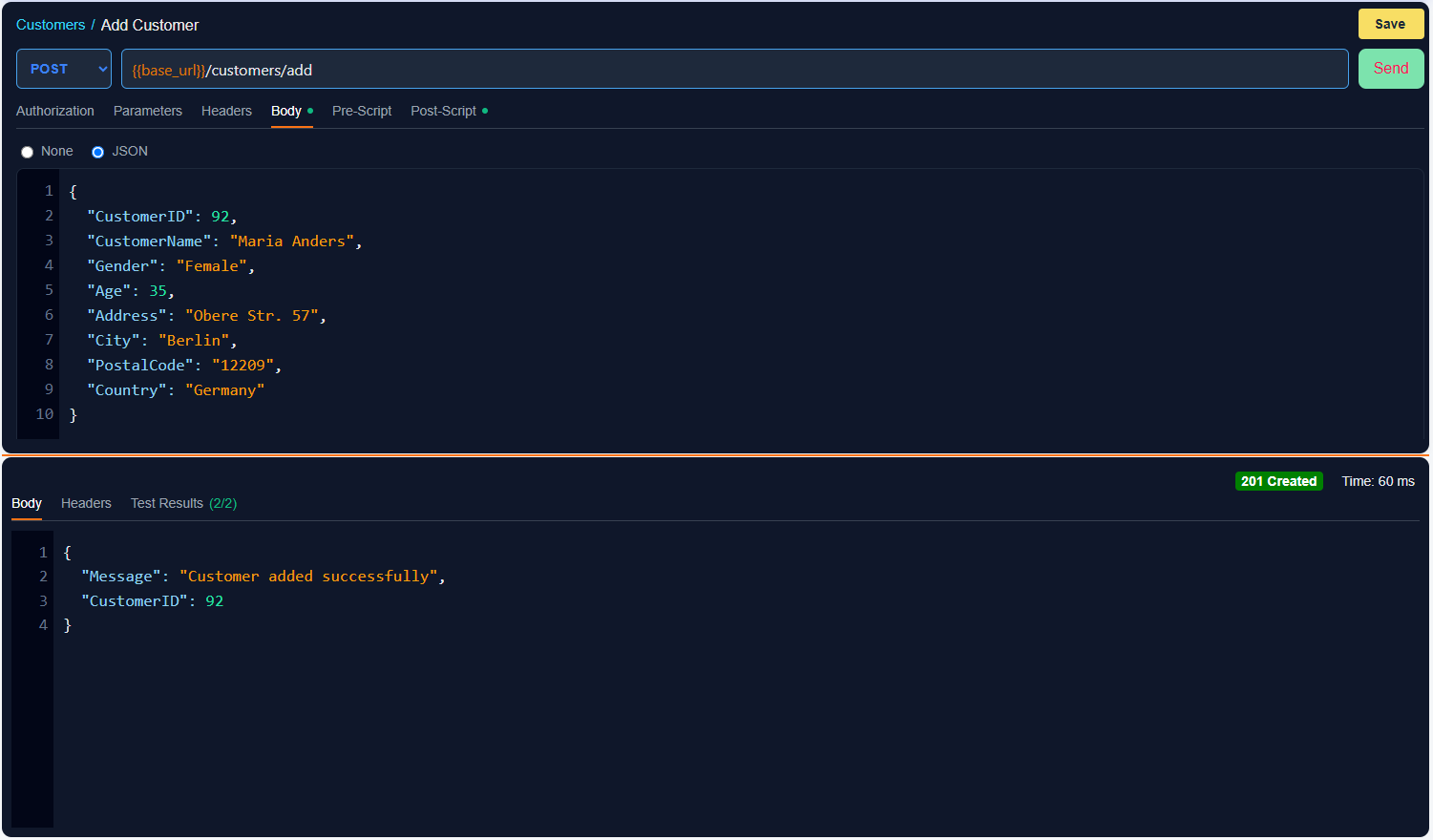
Define base URLs, tokens, and shared values as globals. Reference them anywhere using {{variable}} syntax.
📂
Collection Variables
Scope variables per collection so different environments and projects stay completely isolated.
⚡
Pre-Request Scripts
Run JavaScript before each request — generate dynamic tokens, mutate payloads, or set variables programmatically.
✅
Chai Assertions
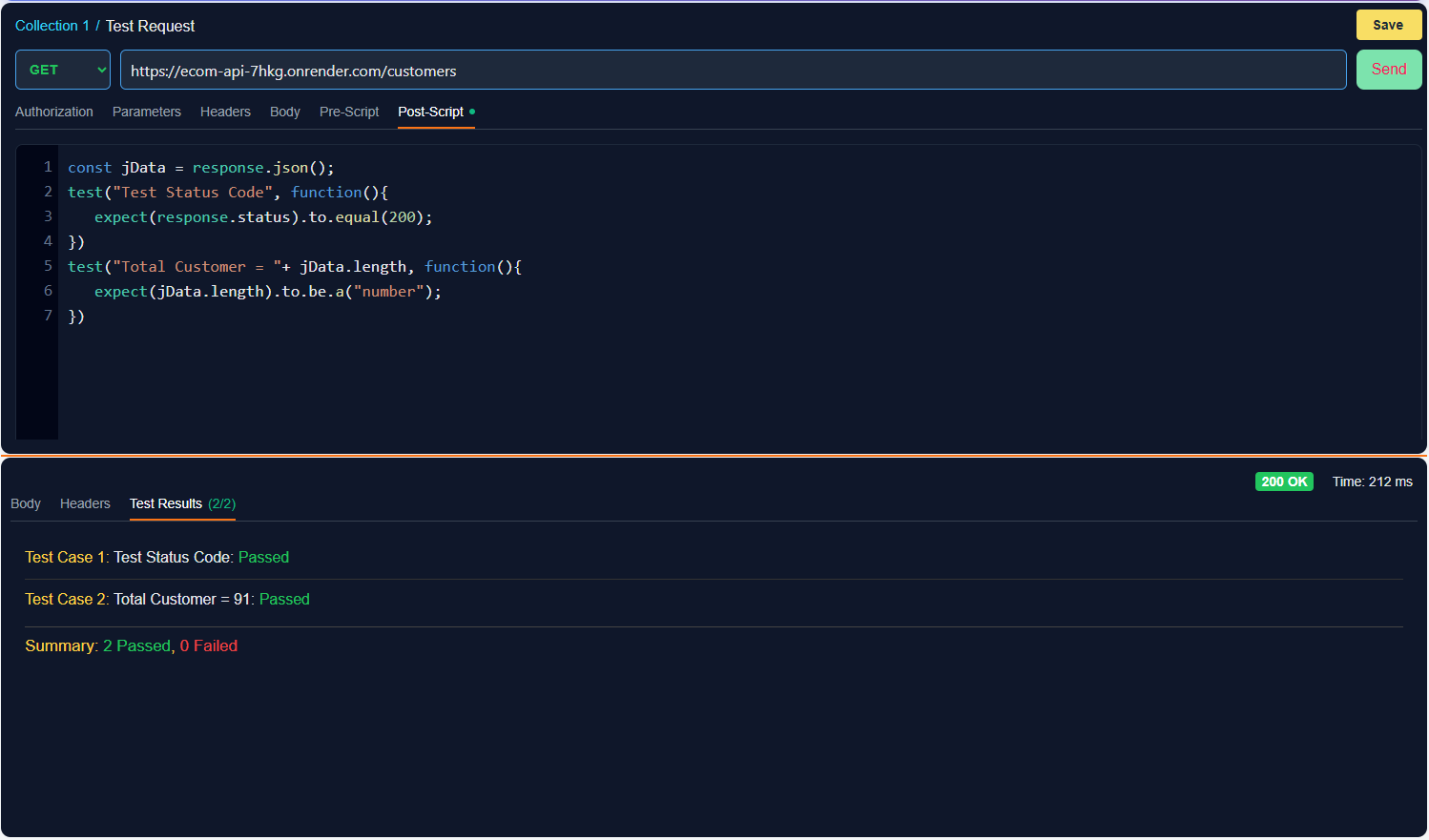
Write post-request tests with Chai's expect API. Assert status codes, body fields, headers, and response time.
▶️
Collection Runner
Run an entire collection in one click, sequentially. Results appear in a clean pass/fail table per request.
🔎
Syntax Highlighting
JSON body, URL, and script editors all feature live syntax highlighting and line numbers — no raw text boxes.
👤
User Accounts
Sign up and your entire workspace — collections, requests, variables — is stored server-side. Access from any device.